
Resiliencecreates values
When Longer Stays Become Part of the Experience
Deloitte data shows that this trend is emerging among a significant share of travelers. In its Summer 2025 survey, 45% of U.S. respondents said they expected their longest trip to last at least one week, up from 39% the previous year. Among those who typically combine work with travel, the share expecting to take a longer trip rose from 31% to 39%. Nearly one in four respondents also said they planned to work during their longest trip.
The growth of remote work is creating another layer of demand. According to GWI, 30% of surveyed Gen Z and Millennials plan to work remotely from another country in the future. When choosing a destination, reliable internet connectivity, weather, and the ability to balance work with leisure are among the factors they value most.

Combining work with travel is driving a shift toward longer stays.
This does not mean that travelers in general are moving toward long-term stays. It does, however, point to a notable shift in behavior: for some travelers, a destination is no longer simply somewhere to “visit and leave.” They may work there, spend more days exploring, return repeatedly, or establish a temporary rhythm of life.
The growth of remote-working communities is a clear signal. Data from Nomads.com records check-ins on its platform in Hoi An at 61% during the first nine months of 2026, and 49% in Da Nang. While this reflects user behavior on the platform rather than the overall tourism market, it nevertheless indicates the growing appeal of these destinations among travelers who combine work with exploration.
Globally, the market for services catering to digital nomads is also expanding. Data from The Business Research Company shows that the digital nomad services market grew from USD 44.65 billion in 2025 to USD 54.49 billion in 2026, equivalent to a CAGR of 22.1%. Asia-Pacific is forecast to be among the fastest-growing regions in the coming period.
These signals raise a new question for tourism cities such as Da Nang and Hoi An: if travelers are no longer coming only to sightsee, but also to stay, work and live for a period of time, how should the spaces designed for them evolve?
From Accommodation to Living Spaces
For a short trip, a traveler’s basic requirement may be no more than a convenient place to stay. But as the length of stay increases, needs begin to extend into areas traditionally associated with everyday life: places to work, eat, exercise, relax, socialize and access distinctive local experiences.
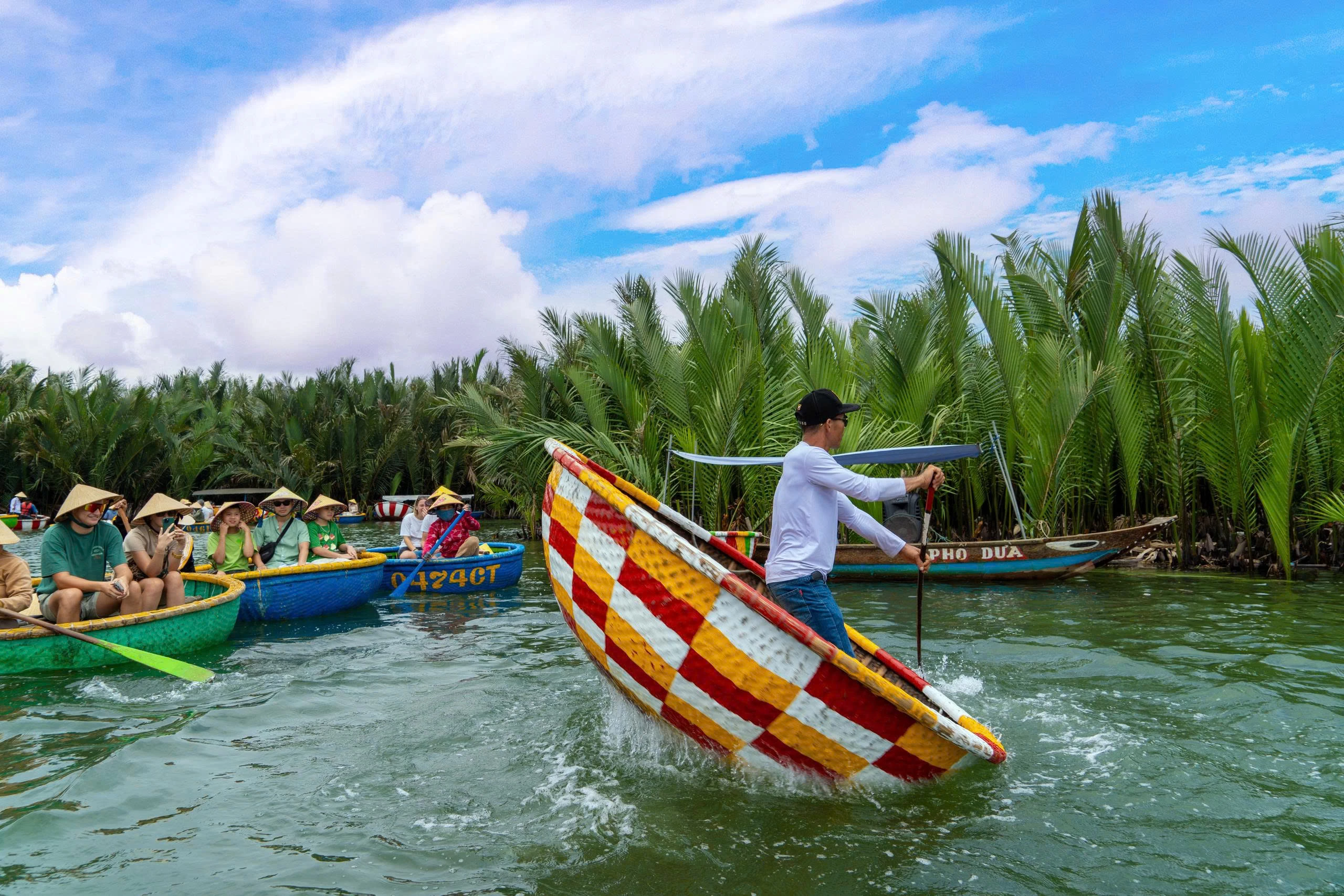
Culture, landscapes and local experiences can provide additional motivation for extending a stay.
This is also why the value of destination real estate is no longer defined simply by having “a place to stay.” A space designed to support longer stays needs to address a combination of factors, including space, functionality, amenities, services and connections to the surrounding ecosystem.
From a development perspective, this shift creates at least three requirements: living conditions, a service ecosystem and connectivity with the destination. Spaces need to be flexible enough for users to rest, work, live and spend time with themselves and their families within the same destination. As stays become longer, amenities such as sports, dining, wellness, workspaces and community activities are no longer merely additional features; they become part of the overall stay experience.
The next consideration is connectivity with the destination itself. The value of a real estate development lies not only in what is built within the project, but also in what users can access beyond it: landscapes, culture, cuisine, nature, local communities and distinctive activities.
From this perspective, destination real estate is evolving from providing accommodation to creating a space that can become part of the user’s entire journey.
A Perspective from Da Nang – Hoi An
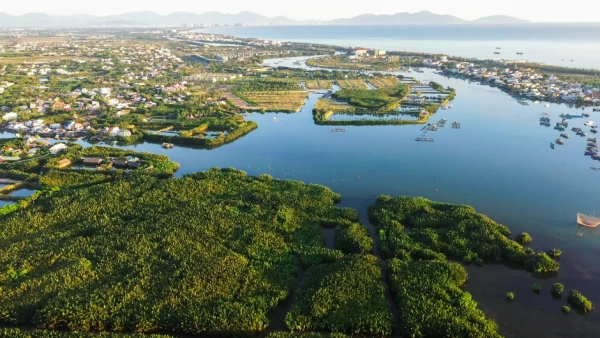
In Hoi An, this shift has particularly favorable conditions to take shape, as the destination combines heritage values, local culture, riverside landscapes, traditional crafts and a slower pace of life. Alongside the development of Da Nang and improving regional connectivity, Hoi An is well positioned not only to welcome short trips but also to accommodate longer stays and deeper experiences.
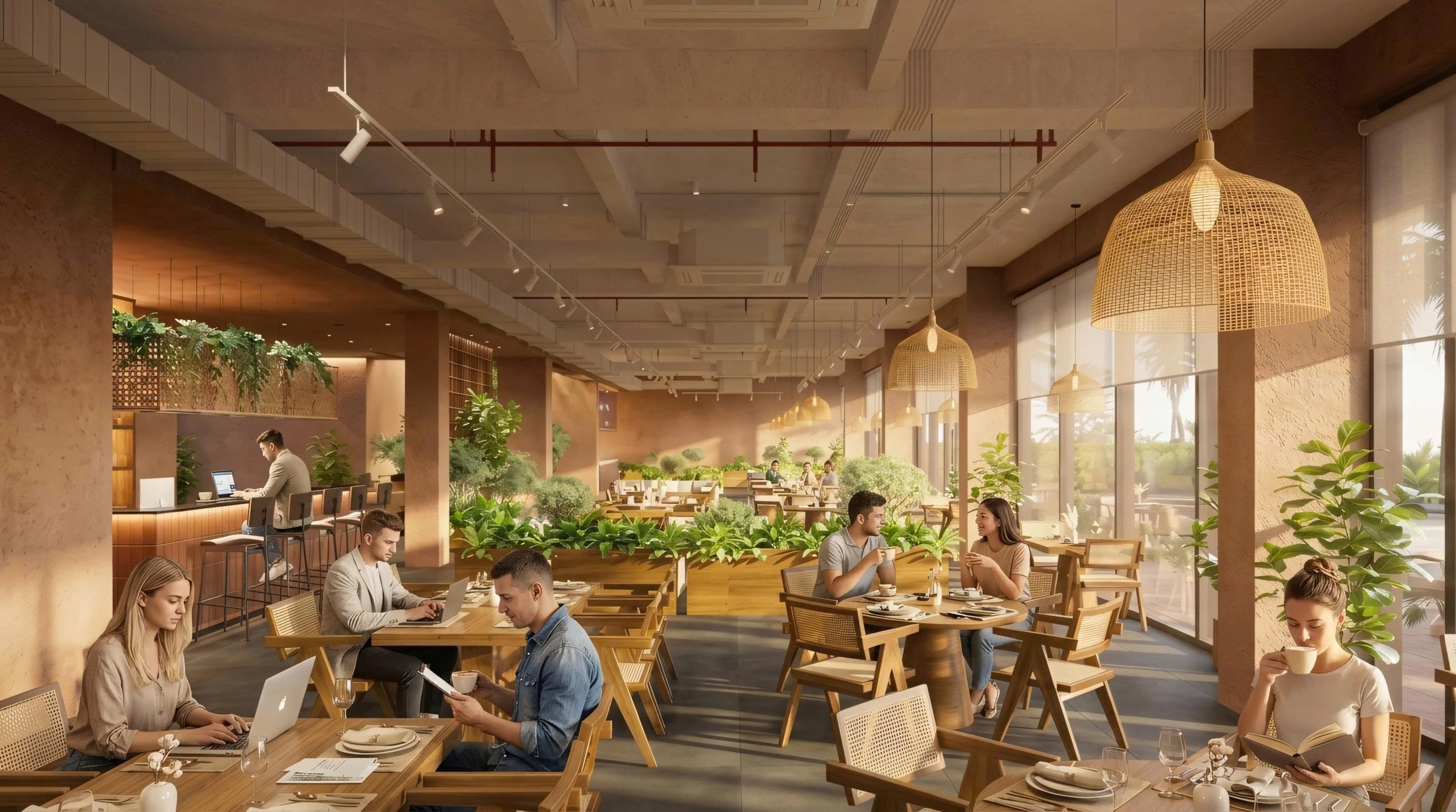
Destination real estate is expanding its value proposition from living spaces and amenities to experiences.
Casamia Balanca Hoi An, a project developed by Dat Phuong Group in Cam Thanh, can be viewed from this perspective. Rather than focusing solely on accommodation, the project introduces the Park Home product line, featuring three floors, four bedrooms, approximately 316 square meters of built-up area and a private garden of around 90 square meters. The product is designed to support a range of uses, from everyday living and family leisure to longer stays and other flexible uses by owners, depending on their intended purpose and actual operating conditions.
The living spaces are integrated with the landscape around the Co Co River, Cua Dai Bay and the Cam Thanh ecosystem, while connecting to the project’s internal amenities. An Olympic-standard swimming pool, seven pickleball courts, restaurants, cafés, a gym and co-working spaces are designed to serve the diverse needs that arise throughout a stay. Notably, the involvement of M Village as the operator creates greater consistency in service delivery, quality and the overall experience over time.
The shift from “traveling” to “staying longer” reflects an increasingly visible change in the way people use and experience destinations. As time spent staying, working, relaxing and exploring becomes increasingly intertwined, real estate developments capable of serving multiple uses, connecting effectively with the local ecosystem and providing appropriate operations will have greater potential to participate more deeply in the value chain of Da Nang – Hoi An.