
Resiliencecreates values
From Increasing Visitor Numbers to Maximizing the Value of Every Journey
Resolution No. 26-NQ/TW dated August 22, 2026, sets the goal of making tourism a key economic sector, emphasizing the need to shift from growth driven by volume toward quality, added value and competitiveness.
Da Nang, together with Hanoi and Ho Chi Minh City, has been identified as one of the country’s three tourism growth hubs. What stands out is the shift in how value is generated. A destination must do more than attract visitors; it must encourage them to engage in a wider range of economic activities throughout their stay.
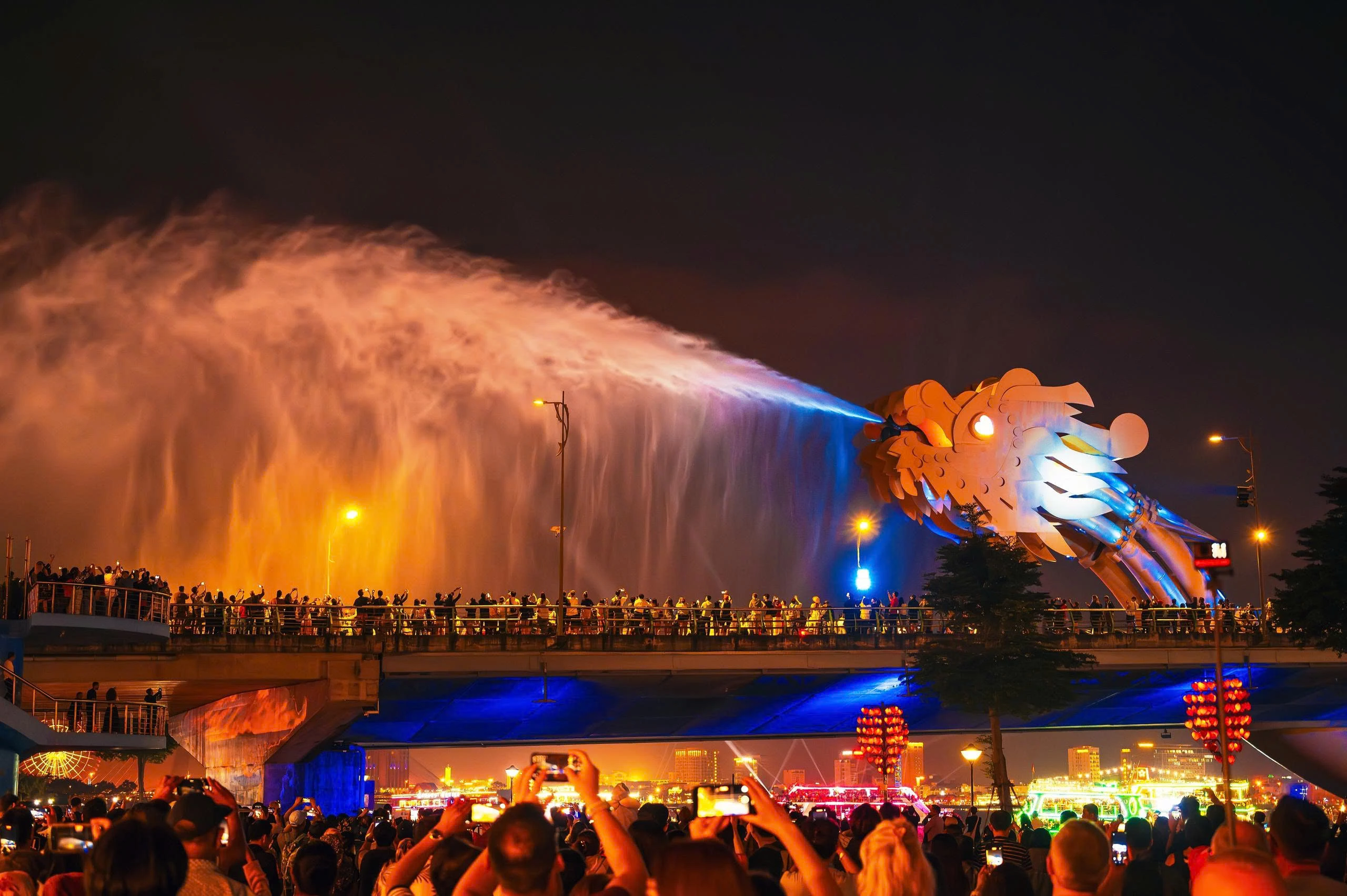
A destination city offering diverse layers of experiences that encourage longer stays.
Da Nang’s figures for the first eight months of 2026 illustrate this trend. The city welcomed more than 14.2 million overnight visitors, up 24.9% year-on-year, including nearly 6.9 million international visitors, an increase of 26.3%. Meanwhile, overnight stays rose by 27.8%, outpacing the growth in total visitor numbers. Revenue from accommodation and food services reached nearly VND 46.932 trillion, up 25.1%.
The more important question, therefore, is no longer simply how many people visit, but how long they stay and how much economic activity they generate during that time.
An extra day spent at a destination means more than one additional night of accommodation. It also creates more opportunities for visitors to experience and use other services, including restaurants, shopping, entertainment, wellness, sightseeing, cultural activities and other leisure experiences.
The more reasons visitors have to stay, the more service sectors can participate in generating value. This can be understood as the “economic time of a destination”—the period during which a locality can convert visitors’ presence into multiple layers of demand.
Following this logic, a destination’s competitiveness is shifting from attracting more visitors to generating greater value from each visit. This opens the door to another question: where does real estate fit into this value-creation process?
When Real Estate Value Extends Beyond Location
Da Nang benefits from its infrastructure, accessibility and relatively comprehensive service ecosystem, spanning coastal urban areas, resorts, MICE tourism, entertainment, dining and major events. Hoi An offers a different set of assets: heritage, local culture, traditional craft villages, riverscapes, ecological landscapes and a slower pace of life.
The complementary strengths of these two destinations help extend visitor journeys and provide more reasons for people to stay longer. This represents an important shift for the destination economy and raises new questions for the real estate sector.
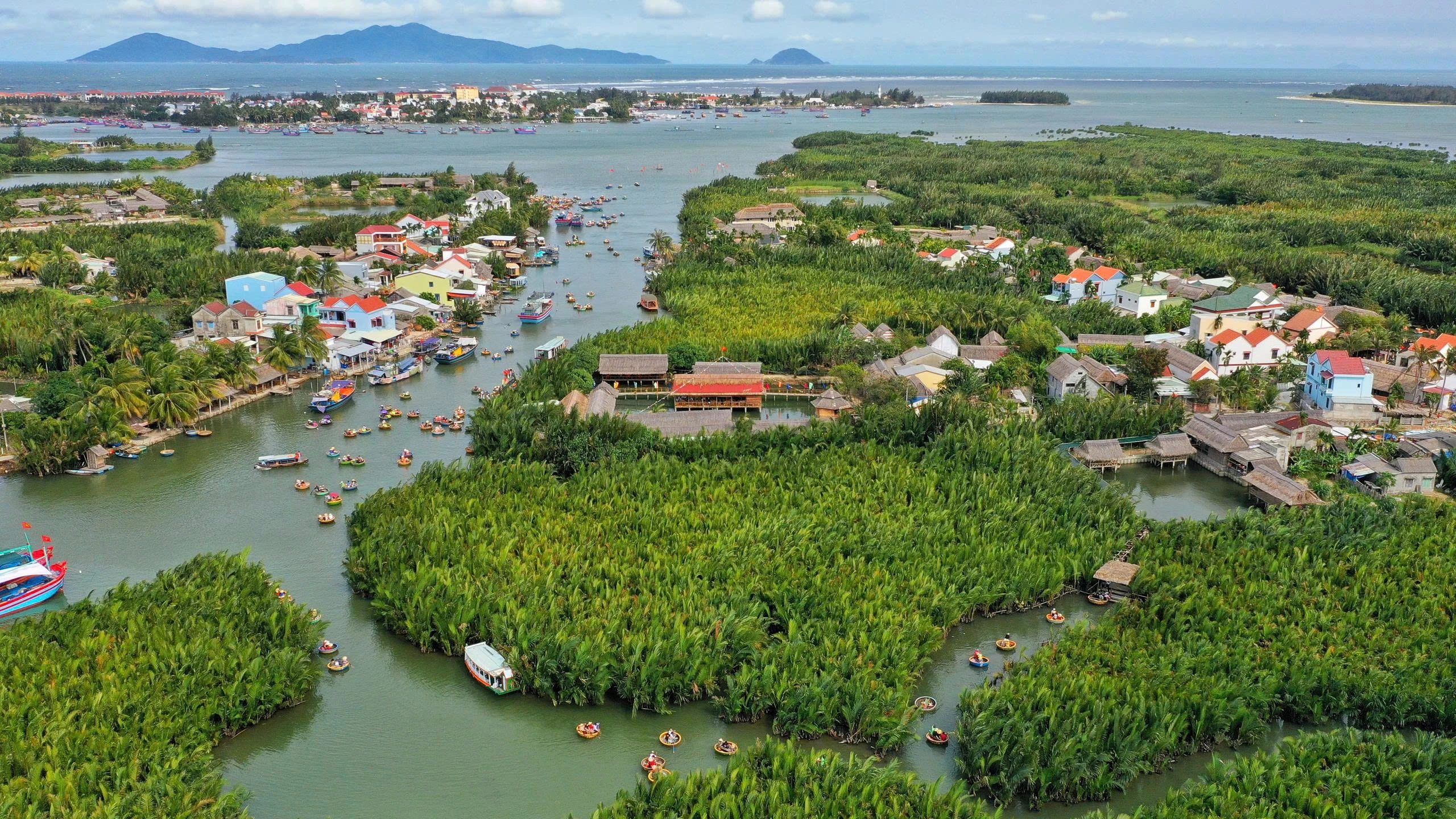
Heritage, culture and ecology broaden visitors’ experiences in Hoi An.
If the relationship is viewed simply as “tourism growth leads to real estate demand growth,” the market risks adopting an overly simplistic approach. The same number of visitors can generate vastly different economic value depending on how long a destination retains them and whether its service ecosystem can effectively absorb their demand.
Consequently, the advantage of destination real estate increasingly depends on more than its proximity to a tourist attraction. The more important question is: where does the property fit into the visitor journey?
Can it connect visitors with local attractions and experiences? Does it offer sufficient services to encourage longer use? Is its living environment suitable for extended stays or holidays that combine relaxation with exploration? Most importantly, can the development operate as an integrated part of the destination, rather than simply being located next to it?
This changes how real estate value is understood. A property situated in an area offering multiple layers of experiences—from nature and culture to dining, entertainment and services—has more opportunities to capture visitor demand than one relying on a single scenic advantage.
In other words, the value of destination real estate increasingly depends on the “depth” of the destination surrounding it. Instead of asking only “What is it close to?”, the market must also ask: “What does the surrounding area offer to encourage visitors to stay longer?”
The Market Will Become More Differentiated by Its Ability to Generate Value from Location
Tourism growth does not mean that every property in a destination will automatically benefit. On the contrary, as visitor numbers rise and supply expands, competition will become more pronounced. Advantages once considered sufficient—attractive locations, scenic surroundings and proximity to tourist attractions—may increasingly become prerequisites rather than decisive differentiators.
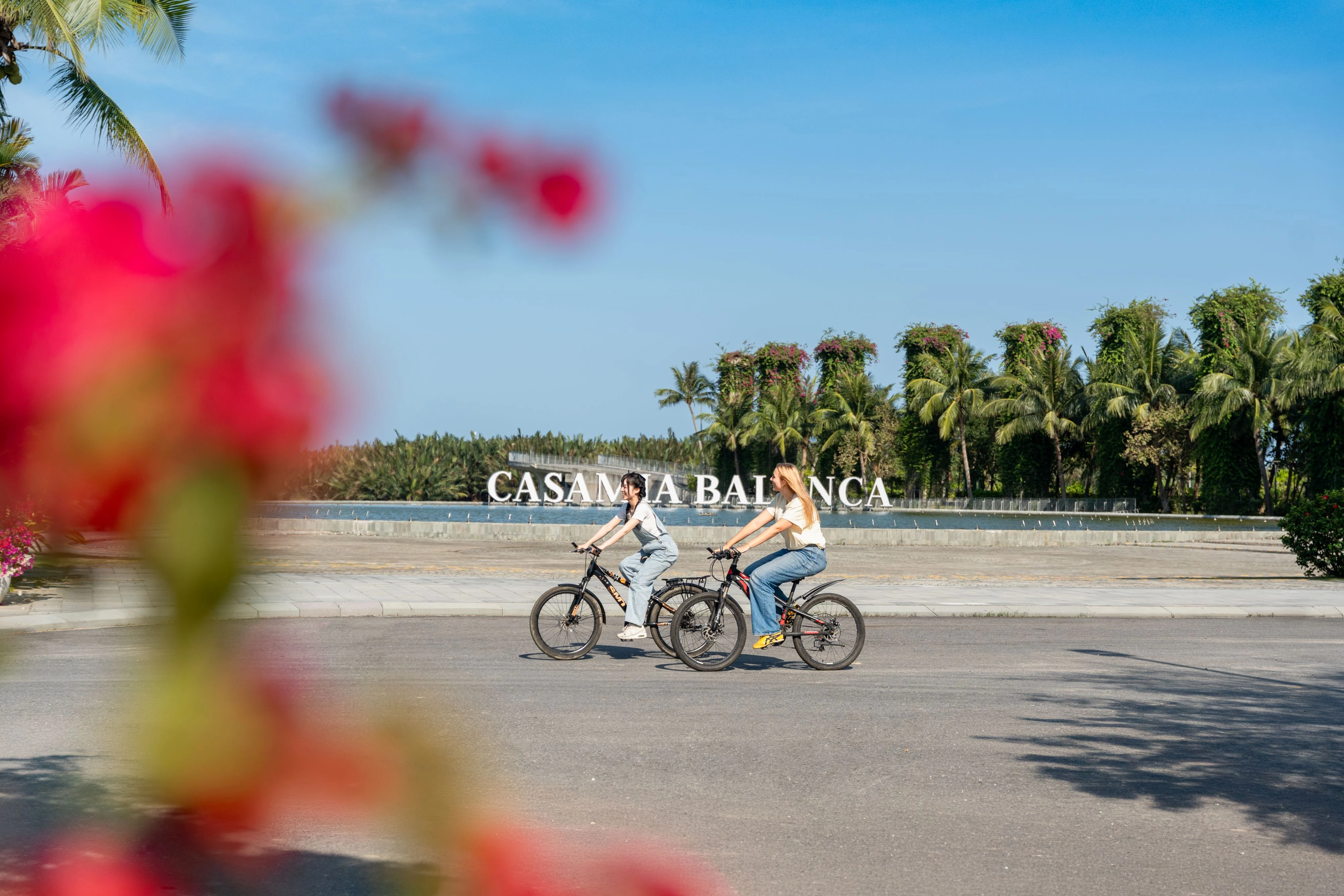
Destination real estate is becoming more deeply integrated into the tourism value chain.
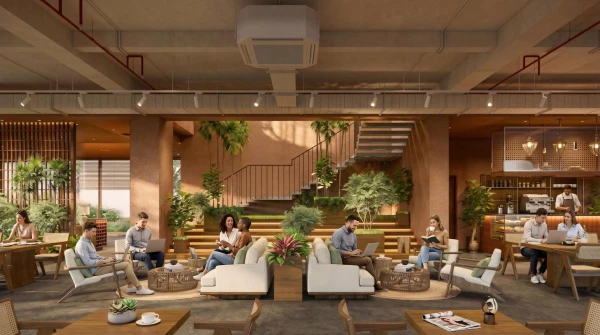
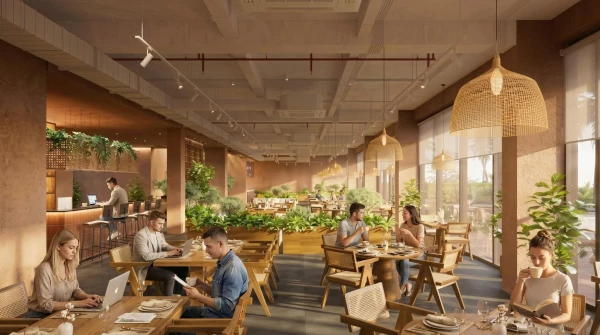
For a real estate asset to participate more deeply in the tourism value chain, a convenient location alone is not enough. It also needs to connect with the local natural and cultural ecosystem, provide access to services, amenities and experiences, and offer quality living spaces, infrastructure, sound planning and legal certainty. Above all, it requires operational capabilities that can translate these advantages into tangible experiences. These factors are creating a new basis for market differentiation.
As tourism shifts from a competition for visitor numbers to a competition for value, destination real estate must likewise move beyond simply owning a good location to generating value from that location.
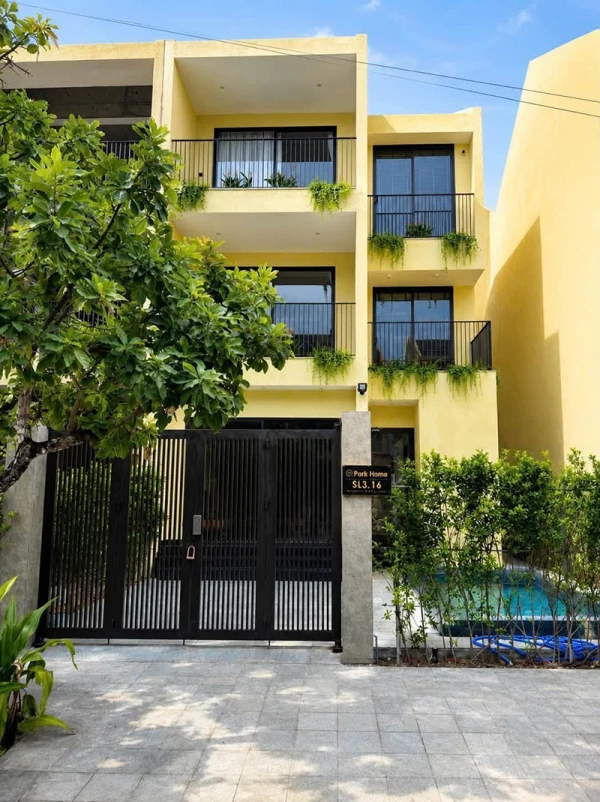
In Hoi An, Casamia Balanca, developed by Dat Phuong Group, offers an example of this approach. The project is situated within a connected landscape encompassing the Co Co River, the Cam Thanh nipa palm ecosystem, Hoi An Ancient Town and the coastal area.
The development also features coordinated landscaping, infrastructure, amenities, services and living spaces, creating an urban environment designed to accommodate diverse needs throughout a visitor’s stay.
Casamia Balanca’s advantage therefore lies not only in its location, but also in its potential to connect multiple needs: relaxation, exploration, entertainment, physical activities and access to Hoi An’s cultural and natural assets. This provides a foundation for translating the destination’s advantages into tangible experiences, longer stays and the practical value derived from the property.