

Kiên tâmtạo giá trị
When the Market Gap Is Not About the Number of Accommodation Rooms
According to data from the city’s Department of Culture, Sports and Tourism, accommodation establishments in Da Nang served more than 15.8 million visitors in the first nine months of 2026, up 26.4% year-on-year. Revenue from accommodation, food services and travel reached approximately VND 56.9 trillion, an increase of more than 25%. As of September 2026, the city had more than 2,475 tourist accommodation establishments, offering a total of 68,251 rooms.
Beyond short stays, Da Nang – Hoi An also attracts long-term visitors, including remote workers, frequent travellers and expatriate communities, whose stays range from several weeks to several years and whose accommodation needs vary considerably.
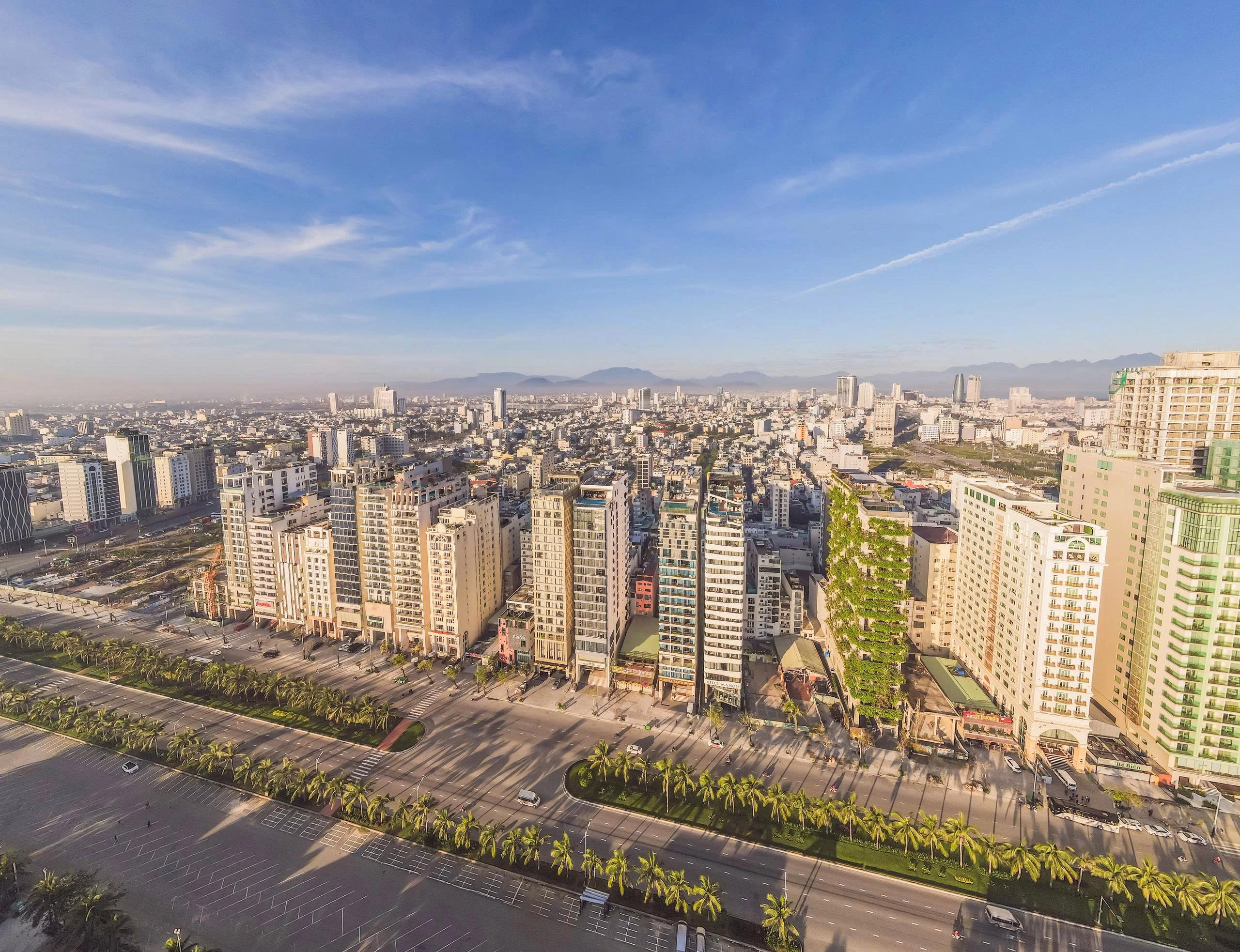
While Da Nang has a substantial supply of accommodation, integrated real estate products catering to extended stays and everyday living remain relatively uncommon.
In practice, standalone models such as hotels, tourist villas, homestays and tourist apartments each serve specific needs. However, not every product is designed to combine multiple functions within a single space.
The market gap, therefore, lies not in the supply of accommodation itself, but in the ability to develop integrated real estate models that simultaneously support staying, daily living, working and leisure experiences.
This presents an opportunity for destination real estate to play a greater role in the tourism value chain, differentiating itself through functional design, comprehensive amenities, connectivity with the surrounding service ecosystem and appropriate operating models, rather than competing on room rates alone.
Emerging Trends Shaping New Standards of Real Value
The growing number of visitors seeking longer stays at their destinations is prompting a fresh perspective on the structure and quality of living environments.
For long-term visitors to Da Nang – Hoi An, accommodation must serve purposes beyond rest, including working, relaxation and private daily activities. Multifunctional design therefore needs to optimise space, natural light, green areas and privacy to enhance the overall living experience.
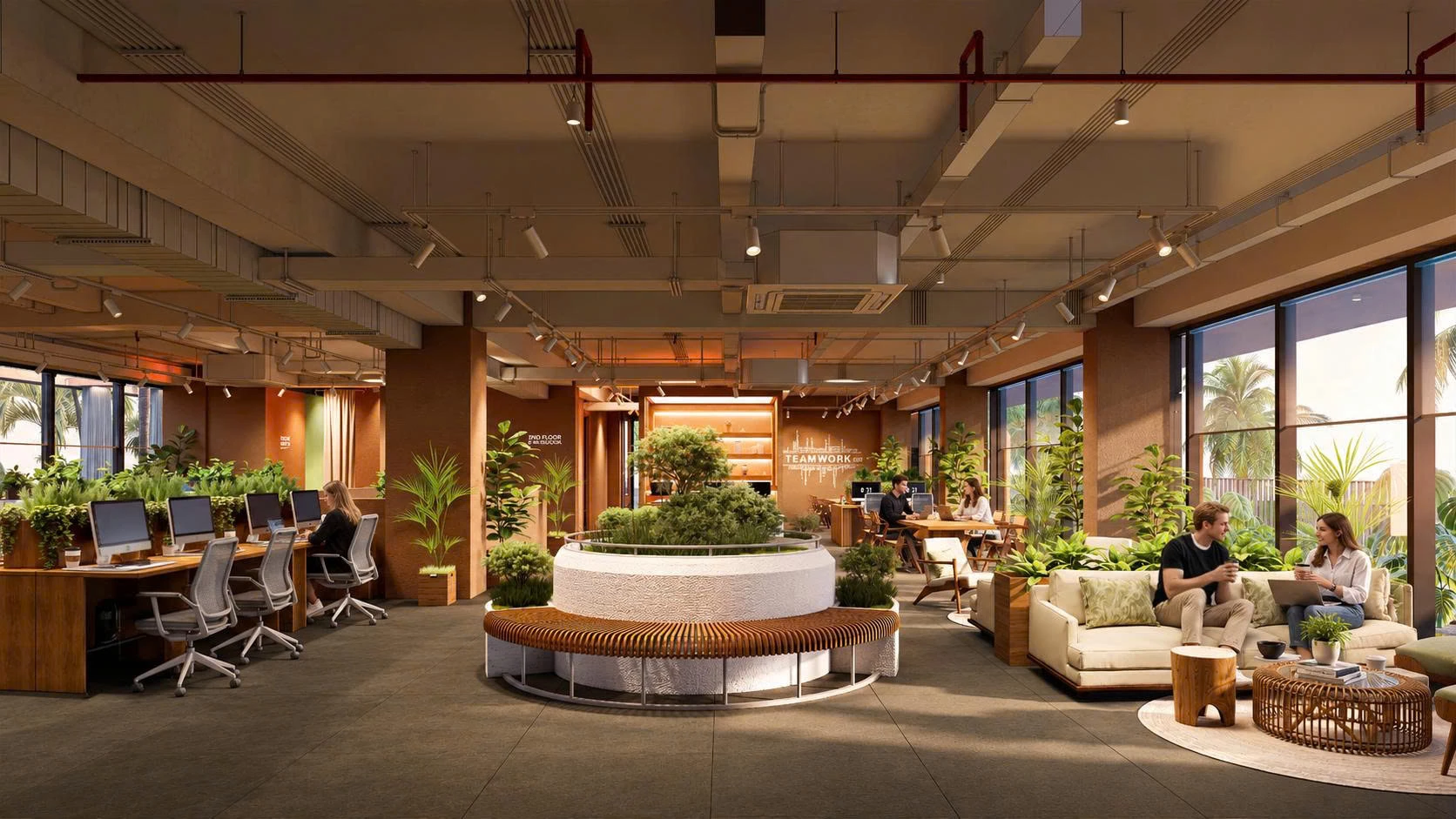
Long-stay visitors increasingly favour living spaces with comprehensive on-site amenities.
An integrated amenity system covering accommodation, workspaces, dining, sports, wellness and community activities can improve both convenience and the overall visitor experience. Its effectiveness depends not simply on the number of amenities, but also on their relevance to users’ needs, accessibility and sustainable operation.
The third factor is a location offering multidimensional connectivity: access to infrastructure supporting daily life and work, as well as opportunities to experience the surrounding landscape, traditional craft villages and local cultural heritage.
Together, these three factors indicate a shift in destination real estate standards: from providing a place to stay towards creating spaces that offer flexible uses, convenient connectivity and operations aligned with actual user needs. They also provide a basis for evaluating product quality beyond construction scale or stated commitments.
Casamia Balanca Hoi An: An Approach to Multifunctional Destination Real Estate
Casamia Balanca Hoi An represents a multifunctional destination real estate model located along Vo Chi Cong Road, which connects Da Nang and Hoi An, offering convenient access for travel, living and working. Its proximity to Cam Thanh coconut forest and Hoi An Ancient Town also creates opportunities to experience nature, heritage and local culture.
The Park Home product line at Casamia Balanca Hoi An is designed to accommodate living, leisure and remote working, with an emphasis on natural light, privacy and quiet surroundings. This layout allows occupants to transition easily between family life and work while maintaining comfort throughout their stay.
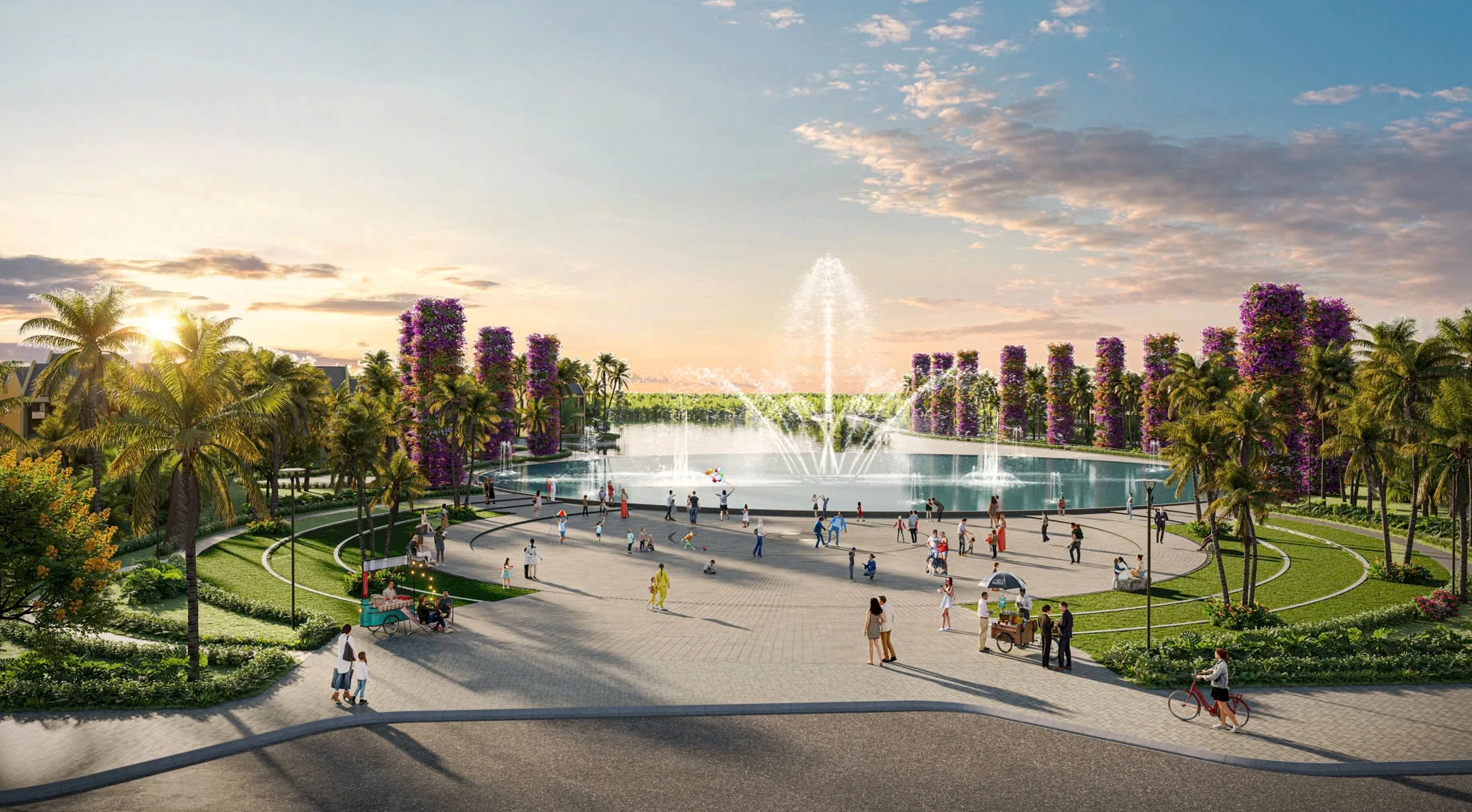
The trend in accommodation choices is shifting towards multifunctional destination real estate.
In addition, Casamia Balanca offers a comprehensive amenity system, including co-working spaces, wellness and sports facilities such as a swimming pool and pickleball courts, dining services and five expansive parks. These facilities allow residents to enjoy a wide range of everyday amenities within the development.
Changing tourism needs in Da Nang – Hoi An are creating opportunities for real estate models designed around actual user requirements. As the boundaries between travel, work and daily living become increasingly fluid, versatile functionality, integrated amenities and connectivity with the destination may become key differentiating factors.
Against this backdrop, developments such as Casamia Balanca Hoi An can help address an emerging gap in the market while creating opportunities for long-term operational value and contributing to higher-quality real estate offerings in tourism destinations.
